
The Allure of Chance
The thrill of chance is a significant factor in attracting players to casino games. The unpredictability surrounding each game’s outcome creates an adrenaline rush that keeps individuals coming back for more. This excitement stems from the human brain’s natural inclination toward risk and reward, particularly when they explore options like neosurf online casino that enhance their gaming experience. Neurotransmitters like dopamine play a crucial role in this experience, as they are released when players envision potential wins, enhancing the emotional stakes involved in gambling. This biochemical response can make even a small win feel monumental, reinforcing the behavior.
This allure can be observed in various popular casino games, where the prospect of winning big is juxtaposed against the reality of frequent losses. Slot machines, for instance, are designed to provide intermittent rewards, leading players to develop patterns of play that are emotionally driven. Each spin carries the potential for a jackpot, and the uncertainty of the outcome can lead to a cycle of anticipation. This intermittent reinforcement is akin to how social media platforms operate, drawing users into cycles of anticipation and release, making it difficult to resist the urge to engage with these systems repeatedly.
Moreover, the casino environment itself is tailored to foster this feeling of excitement. Loud sounds, bright lights, and enticing visuals create an atmosphere that heightens emotional responses. Players often find themselves entranced in this environment, making it easier to overlook the financial risks involved. This sensory stimulation can temporarily distract a person from rational thought, making the gamble seem far more appealing. The design of the casino is no accident; it’s a carefully curated experience intended to keep players engaged, often leading them to spend more time and money than they initially planned.
The Role of Cognitive Biases
Cognitive biases significantly influence betting behavior in casinos, often leading players to make irrational decisions. One common bias is the “illusion of control,” where gamblers believe they can influence the outcome of random events, such as dice rolls or card deals. This false sense of control can motivate players to take more risks, as they believe that their skills or strategies can alter the odds in their favor. Players might develop personal rituals or strategies, convinced that these actions will yield more favorable results, even when outcomes are fundamentally random.
Another key cognitive bias is known as the “gambler’s fallacy,” where individuals mistakenly believe that past outcomes affect future results. For example, if a roulette wheel has landed on red several times consecutively, players might think that black is “due” to appear next. This misunderstanding of probability can lead to poor betting choices and greater financial losses, as players continue to chase their perceived luck. The gambler’s fallacy often manifests in a cycle of betting that can result in significant financial repercussions, as individuals fail to recognize the independence of each game round.

Additionally, confirmation bias plays a role, where players selectively remember their wins while downplaying their losses. This selective memory can create a distorted perception of their gambling experience, contributing to a cycle of continued play. By focusing on the wins, players become more emotionally invested and are less likely to recognize the need for moderation, perpetuating their gambling habits. This bias can lead to a dangerous mindset where losses are attributed to external factors, while wins are seen as evidence of skill, further entrenching the gambling behavior.
The Influence of Social Factors
The social aspects of casino gaming significantly affect the overall experience and psychological engagement of players. Many individuals are drawn to casinos for the social interaction they offer. The presence of fellow players and the atmosphere of camaraderie can enhance the enjoyment of the games, as shared experiences often amplify excitement and competition. The communal aspect can transform the act of gambling into a social event, where the thrill is not just in winning but also in enjoying the company of others.
Moreover, peer pressure can lead to increased gambling behavior. When surrounded by friends who are actively placing bets or celebrating wins, individuals may feel compelled to join in, regardless of their intentions or financial capacity. This social influence can create an environment where gambling becomes a group activity, further normalizing the practice and pushing individuals towards more significant risks. The social dynamic can often obscure the lines between responsible play and excessive gambling, especially in a lively casino environment.
In addition, the role of social media cannot be underestimated. The rise of online platforms allows players to share their gambling experiences, showcasing victories and engaging in discussions around strategies. This visibility can create a competitive environment where individuals feel pressure to match the successes of their peers, which can lead to increased gambling activity and risk-taking behavior. The need for social validation can drive individuals to gamble more heavily, often leading to a cycle of behavior that is difficult to break.
The Design of Games and Their Psychological Impact
The design of casino games is meticulously crafted to maximize engagement and keep players returning. Game mechanics such as sound effects, visuals, and reward structures are all engineered to create a compelling experience. The use of near-miss scenarios, where players come close to winning but ultimately lose, is a common technique used to maintain player interest and promote continued play, as it evokes a sense of hope and excitement. This tactic can lead players to feel that a big win is just around the corner, fueling their desire to keep playing.
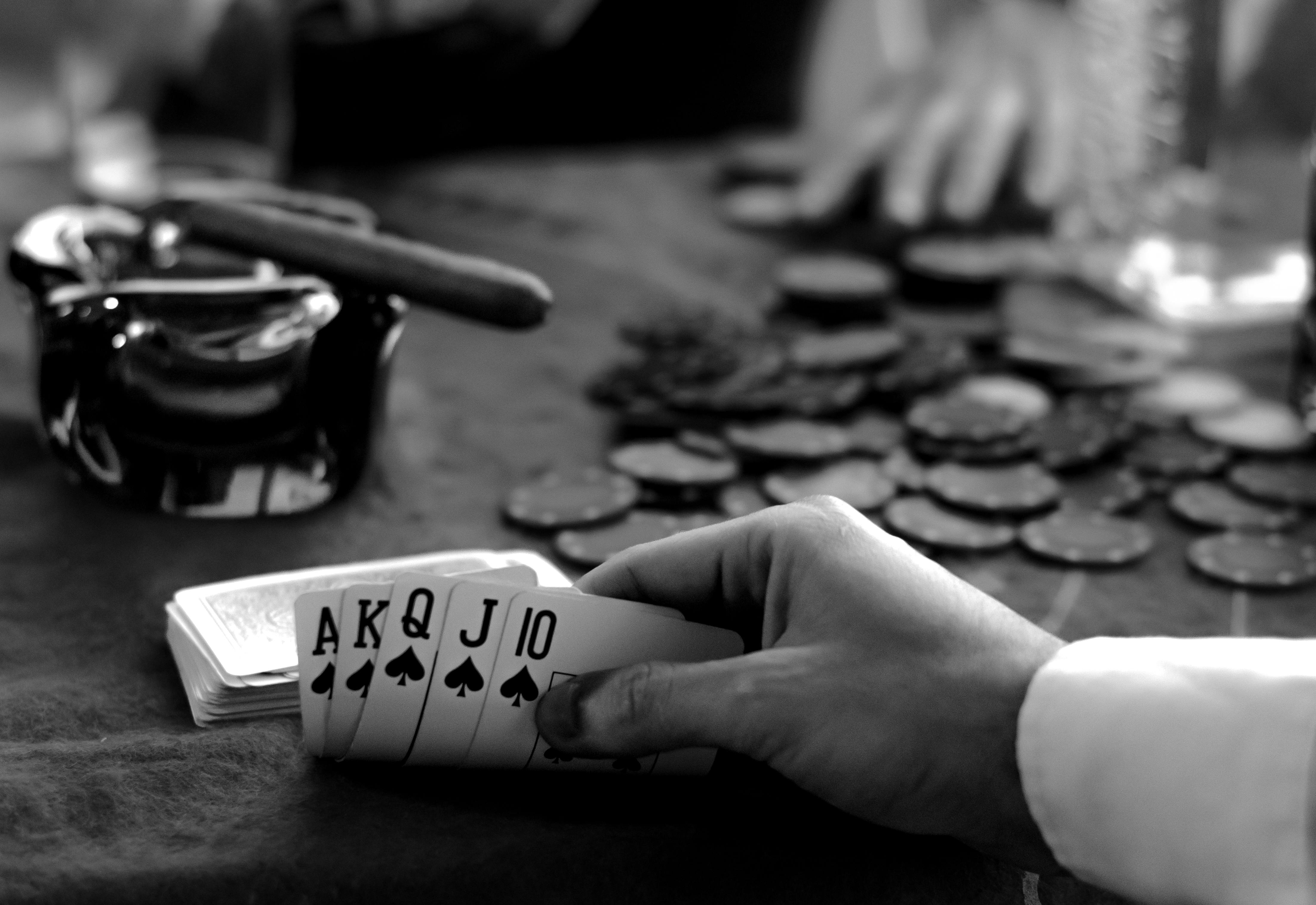
Visual design elements play a crucial role in this engagement. Bright colors and attractive graphics are often used to draw players in, creating a sense of allure and fostering a playful environment. The layout of the casino itself often encourages exploration, luring players to try various games and engage with the environment. This strategic design can heighten the overall experience, making it feel more immersive and less transactional. The tactile feedback from machines and the interactive elements of games further enhance this sense of engagement, making it difficult for players to step away.
Additionally, the use of loyalty programs and rewards systems further enhances player retention. These systems often exploit psychological principles by giving players the feeling of accumulating benefits, which can trigger a desire to continue playing in hopes of reaching the next tier of rewards. This blend of psychological triggers and well-planned game mechanics is fundamental in ensuring that casinos maintain a steady stream of participants and profits. By creating an environment where players feel they have something to gain, casinos can effectively increase the time and money spent in their establishments.
Your Gateway to Understanding Gaming Psychology
Understanding the psychology behind casino games is essential for both players and industry professionals. By recognizing the emotional triggers and cognitive biases at play, individuals can make more informed decisions regarding their gaming habits. Education about these psychological factors can empower players to navigate the exhilarating yet potentially risky world of gambling with greater awareness. Recognizing the psychological tactics employed by casinos can help individuals maintain a healthier relationship with gambling.
For anyone interested in exploring this fascinating subject further, a plethora of resources is available. These resources often cover various aspects of gaming psychology, from behavioral economics to neuroscience, helping to illuminate the complexities of why people gamble. Whether a casual player or a professional in the industry, a deeper understanding of these concepts can enhance both the enjoyment and the strategic approach to casino games. Engaging with these resources can lead to a more balanced perspective on gambling.
Ultimately, the intersection of psychology and casino games is a rich field of study that offers insights into human behavior, risk management, and the powerful allure of chance. As the gaming landscape continues to evolve, staying informed about these dynamics is crucial for responsible gambling and enjoying the experience to its fullest. By understanding the intricacies of gaming psychology, players can make choices that enhance their enjoyment while minimizing the risks associated with gambling.